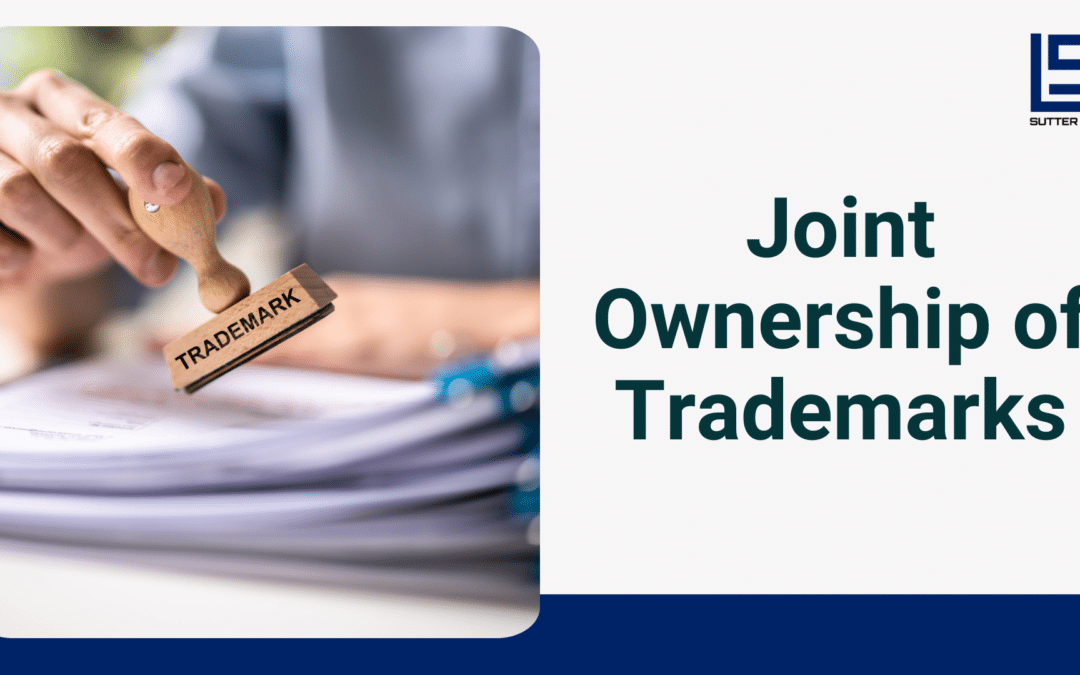
Joint Ownership of Trademarks: Risks and Alternatives
Two parties can co-own a trademark, but doing so raises single source, licensing and enforcement problems. Here is how joint ownership works and what to do instead.


Two parties can co-own a trademark, but doing so raises single source, licensing and enforcement problems. Here is how joint ownership works and what to do instead.

AI startups need core coverage like Tech E&O, cyber and D&O, but policy wording and AI exclusions decide whether a claim is covered. Here is what founders should review.
When an AI product causes harm, liability usually lands on the companies that built, sold or deployed it. Here is how the main legal theories apply to AI startups and how to manage the risk.
AI startups face a patchwork of state, federal, and EU rules. This guide covers the laws that matter in 2026 and a ten-step program for building compliance into your product.
California has no single NFT law, but NFTs are governed by IP, securities, consumer protection, tax and digital asset licensing rules. Here is what California businesses should know.

California’s Digital Financial Assets Law now requires many crypto businesses to be licensed by the DFPI. Here is who is covered, what licensees must do, and how federal and tax rules fit in.