
Table of Contents
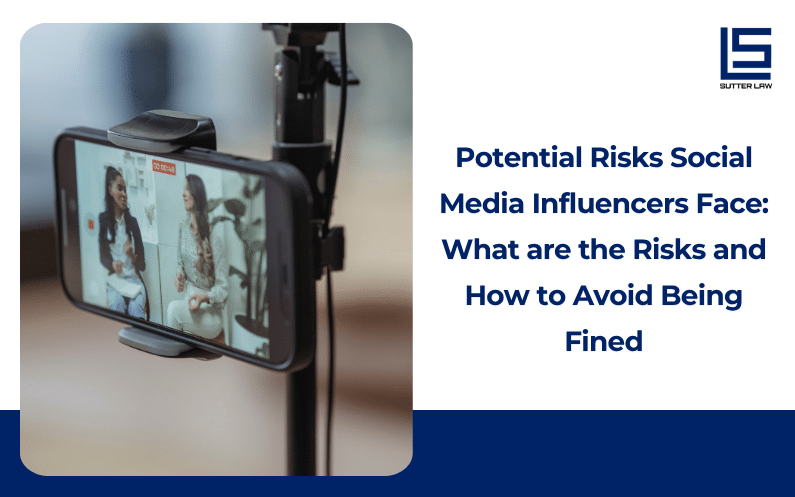
Working with influencers, or becoming one yourself to build a personal brand, is one of the fastest ways to grow a business today. It also comes with legal risk that a lot of companies don’t see until a regulator or a plaintiff’s lawyer points it out.
Federal and state regulators watch social media closely, and so do consumer class-action firms. When a sponsored post misleads people, the liability doesn’t stop with the influencer. The brand behind the post can be on the hook too. And “sponsored” doesn’t just mean paid in cash. Free products, early or exclusive access, and exposure to your customer base can all count.
Here’s what influencer marketing laws actually require, and how to keep your campaigns out of trouble.
The FTC’s Basic Rule: Disclose the Relationship
At the federal level, the Federal Trade Commission enforces truth-in-advertising law through its Endorsement Guides. The core rule is simple: if there’s a “material connection” between a brand and the person promoting it, that connection has to be disclosed.
A material connection includes:
- Direct payment or a sponsored post
- Free products, gift cards or event access
- Affiliate links that pay a commission
- Employment, family or ownership ties
What a “Clear and Conspicuous” Disclosure Looks Like
The FTC expects disclosures that people will actually notice and understand:
- Put it up front. The disclosure belongs above the “more” cutoff in a caption, not buried in a wall of hashtags or at the end of the post.
- Say it and show it in video. For Reels, TikToks and Shorts, use an on-screen disclosure, and say it out loud if the endorsement is spoken. In livestreams, repeat it periodically, since viewers join at different times.
- Use plain words. “#ad,” “#sponsored” or “[Brand] partner” work. Vague tags like “#collab,” “#sp” or a bare brand mention don’t.
- Don’t rely on platform tools alone. Features like Instagram’s “Paid partnership” label help, but they may not be enough by themselves. Add a disclosure in the post itself.
Product Claims Need Proof
An influencer can’t say anything about your product that you couldn’t legally say yourself.
- No unsupported health or income claims. If a creator says your product “cures insomnia” or “guarantees $5,000 a month,” you need solid evidence to back that up. Usually that means real testing or data, not anecdotes.
- Extraordinary results need context. If an influencer shares an unusual result, like losing 30 pounds in two weeks or doubling their income, the post should make clear what results people can generally expect.
- The experience has to be real. Influencers can’t endorse products they haven’t used or claim opinions they don’t hold.
Fake Reviews and Fake Followers
In 2024 the FTC finalized a rule targeting fake reviews and testimonials. Among other things, it bars businesses from buying or selling fake indicators of social media influence, such as bot followers or fake views, for commercial purposes. It also prohibits fake or AI-generated reviews. Violations can bring civil penalties for each one, which adds up quickly.
State Laws Business Owners Should Watch
Federal rules set the baseline. On top of that, state attorneys general enforce their own consumer protection laws, and several states have passed rules that directly affect creator marketing.
Data Privacy
If an influencer collects email addresses or runs a giveaway on your behalf, state privacy laws like California’s CCPA may apply, along with similar laws in Virginia, Colorado, Connecticut, Utah and a growing list of other states. Collecting personal information without a proper privacy notice creates real exposure.
Child Influencers
California, Illinois, Utah and Minnesota have all passed laws protecting children who appear in monetized content, mostly by requiring part of the earnings to be set aside for the child. If your campaign features minors, check the rules in the states involved before you launch.
Regulated Industries
Alcohol, cannabis, financial services and real estate all face their own state-by-state advertising rules. An influencer promoting a regulated product has to follow them too, including age-gating where required.
A Practical Checklist for Your Business
- Put every influencer relationship in writing. Your agreement should require compliance with the FTC Endorsement Guides and spell out exactly how to disclose, for example: “Say ‘paid ad’ in the first line of the caption and out loud in the first five seconds of the video.”
- Review content and keep an eye on campaigns. The FTC expects brands to have a reasonable program for training influencers and monitoring their posts. Check content before or right after it goes live, and follow up when something’s off.
- Never buy engagement. No purchased followers, likes or reviews, whether for your own accounts or through creators.
- Train your team. Employees who post about your company on their personal accounts should disclose that they work for you.
Get Help Before Your Next Campaign
A short review of your influencer agreements and disclosure practices costs far less than responding to a regulator or a class action. Shirley Roberson and the team at Sutter Law can help you set up campaigns the right way, so your marketing budget goes toward growth instead of legal fights. Schedule a free consultation to get started.
Not sure when it’s time to bring in a lawyer? Read our guide on how to hire a business attorney.